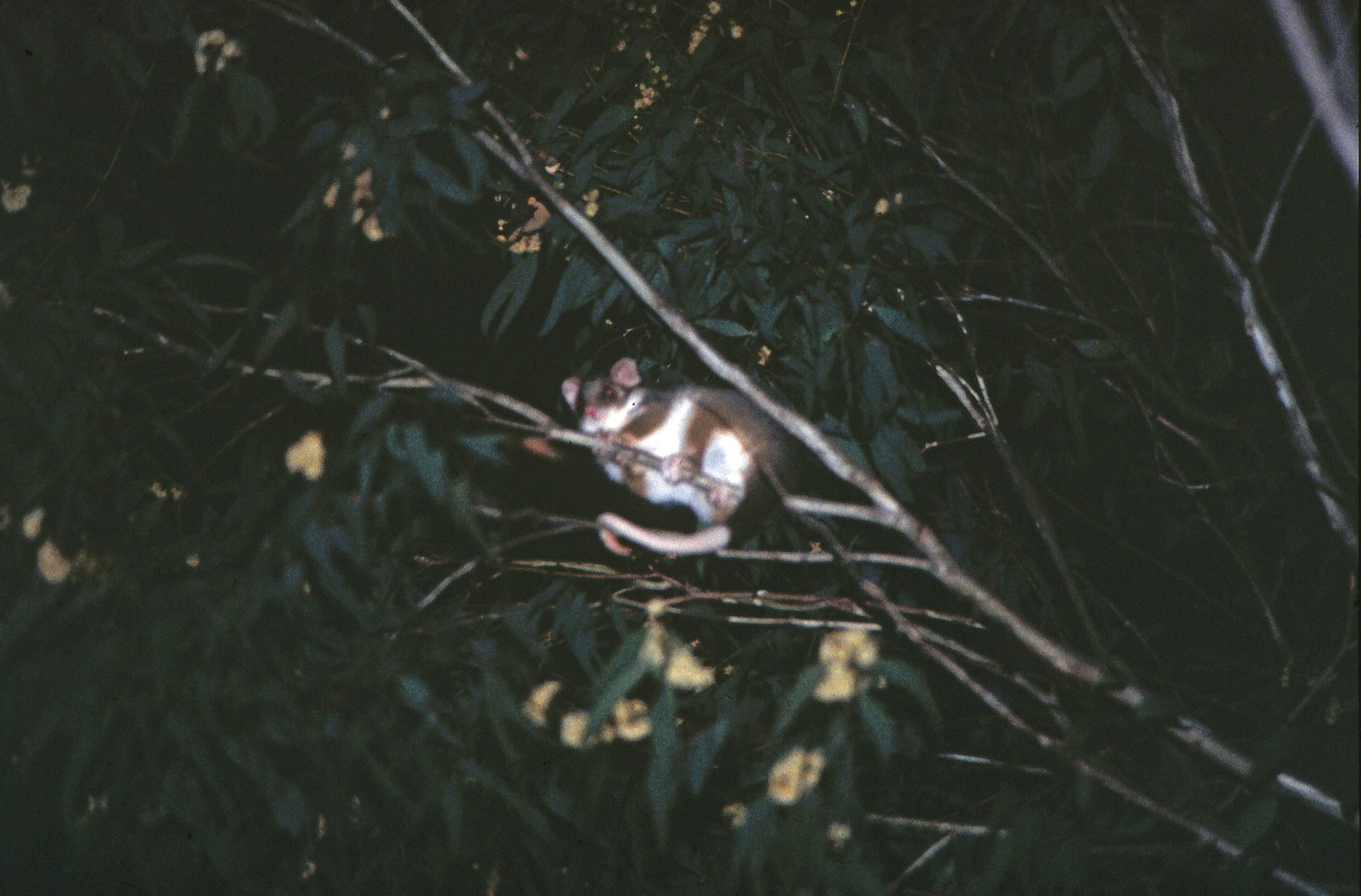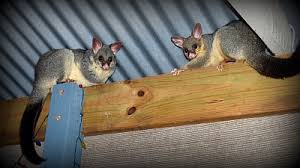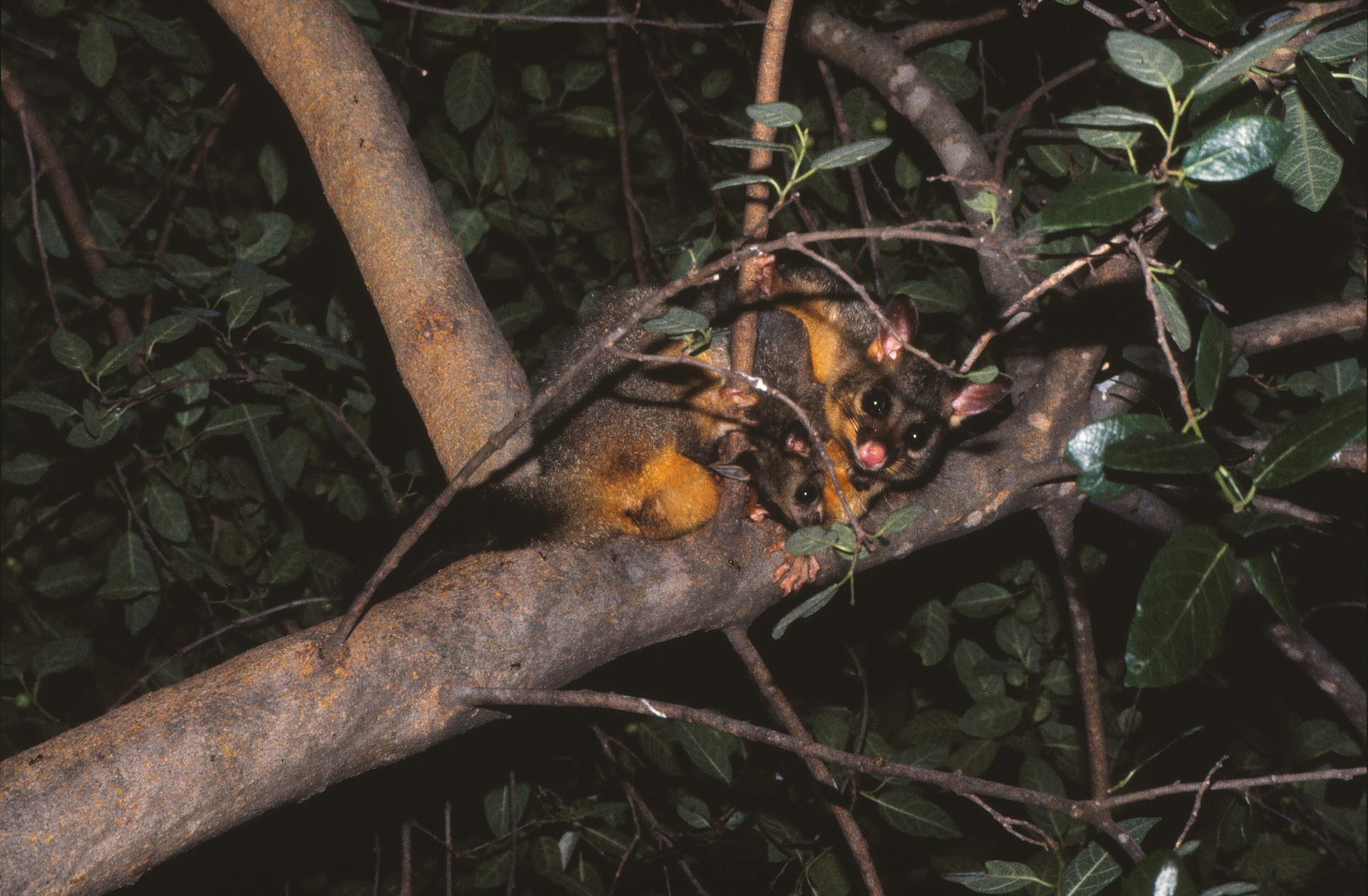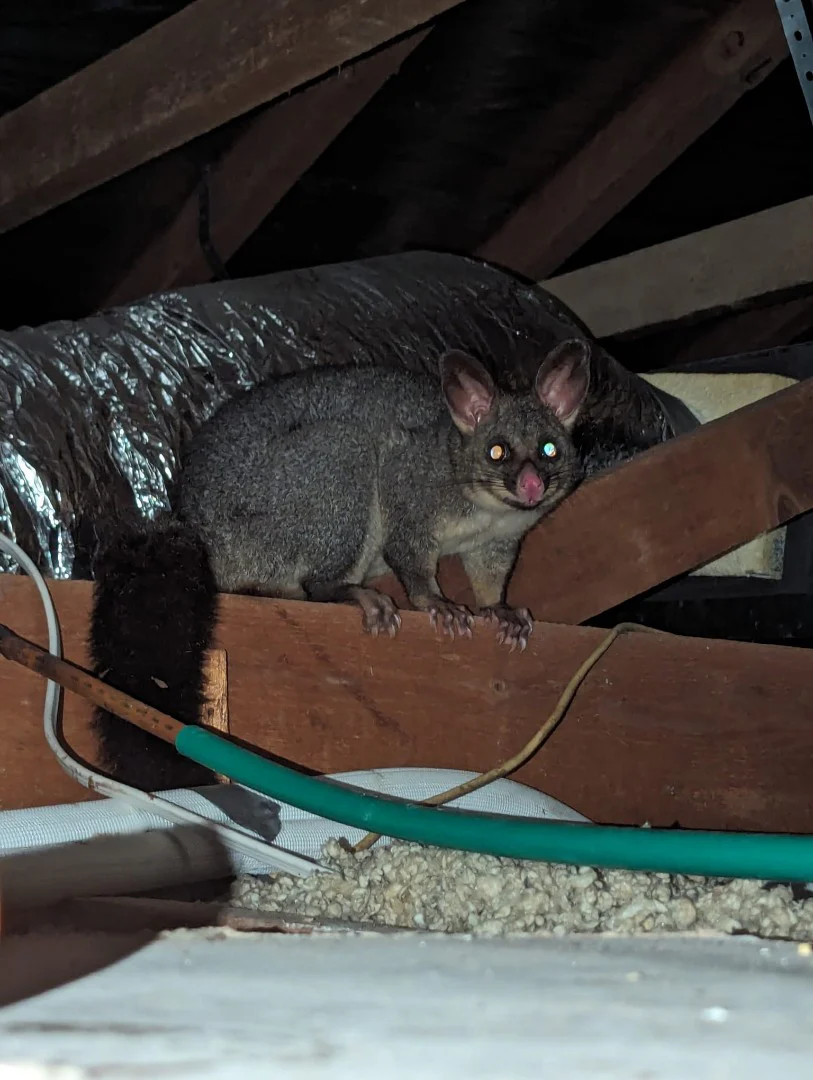
The call almost always comes the morning after. Something heavy landed on the ceiling around 8pm, moved from one end of the house to the other, and did it again at 3am. By breakfast, nobody in the house has slept properly and somebody has already searched whether a possum can come through the manhole.
This guide is what we would tell you on the phone. It covers what to do on that first night, the three things that make the situation worse, how to work out whether you are dealing with a possum or a rodent, and what a licensed removal actually involves.
First, confirm it is a possum
The species changes everything — the law that applies, the method, the cost and the timeline. Four signals separate a possum from a rodent with reasonable confidence.
- Weight. A brushtail possum weighs two to four kilograms. When it lands or walks, it sounds like a small cat. Rodents weigh a few hundred grams and never thump.
- Timing. Possums are strictly nocturnal and leave the roof to feed. Expect activity around dusk, a quiet period, then a return before dawn. Rodents move in short bursts all night.
- Direction of travel. A possum tends to move in a straight line across the ceiling towards its exit. Rodents scurry, stop, and double back inside walls.
- Vocalisation. Brushtails hiss, click and produce a guttural territorial call that carries clearly through plasterboard. Rodents are silent apart from movement and gnawing.
If the noise is a fast scratching inside a wall cavity rather than a thump above the ceiling, you are almost certainly dealing with rats or mice, and the treatment is completely different.
What to do tonight
Leave the entry point alone
This is the single most important thing. Somewhere in your roof line there is a gap the animal is using — a lifted tile, a broken eave sheet, a hole behind the fascia, a gap where the roof meets an extension. It is tempting to wait until the possum leaves at dusk and screw a board over it.
Do not do that. There are two failure modes and both are expensive.
The first is sealing in a second animal. Roof cavities frequently hold more than one possum, and you have no way of knowing from inside the house. The second is sealing in dependent young. A female brushtail carries a joey in the pouch for four to five months, then leaves it in the den while she feeds. Seal the entry while she is out and you have condemned the young to starve in your ceiling — which becomes a dead animal removal job in a fortnight, with the odour and staining that come with it.
Check whether young are likely
You cannot inspect this yourself safely, but you can note the signs and pass them on. Repeated soft chittering or squeaking from one fixed spot, rather than noise that travels, suggests a den with young. So does a pattern where the heavy animal leaves at dusk and something quieter stays behind.
Breeding is not confined to one month. In most of eastern Australia brushtails have a main autumn peak and a secondary spring one, so young are possible across much of the year.
Reduce what is drawing it in
None of this evicts an animal that has already moved in, but it stops the situation escalating and helps afterwards.
- Bring pet food and water bowls inside overnight.
- Pick up fallen fruit and secure compost.
- Cut back any branch giving direct access to the roof line — a possum can bridge about 1.5 metres.
- Cap the chimney if it is open, but only once you are certain nothing is currently inside it.
Protect the ceiling
If you can hear liquid soaking or see a spreading brown ring on the ceiling, put a container in the roof space only if you have safe access — otherwise leave it. Urine staining is the most common damage we photograph, and it is what turns a removal job into a plastering job if it runs for months.
The three things that make it worse
Poison. It is illegal to poison a protected native animal, and it does not solve the problem. A dead possum in a wall cavity is a worse and more expensive problem than a live one in the roof.
DIY trapping. In every state we work in, trapping a possum requires a licence. Cage traps bought online do not come with one. Beyond the legal exposure, a frightened possum in a cage will injure itself, and releasing it away from its territory usually means it starves or is killed by an established possum in the new area.
Repellent theatre. Mothballs, ammonia rags, ultrasonic units, bright lights in the cavity — we have seen all of them still in place when we arrive. At best they push the animal to a different corner of the same roof. None of them close the hole, which is the only thing that ends the problem.
What a licensed removal involves
The inspection
A technician gets into the roof cavity where access allows, and works the exterior roof line from a ladder. The objectives are to confirm the species, count the animals, identify whether there are dependent young, and map every entry point — not just the obvious one.
That last part matters more than people expect. It is common to find one active hole and three more the owner never noticed: a corroded valley iron, a gap behind a solar panel bracket, a section of eave sheeting that has dropped 15 millimetres.
Everything gets photographed at this stage, which is what you will later use for insurance, strata or a sale.
Humane exclusion
The standard method is a one-way door mounted over the active entry point. The possum pushes out at dusk to feed and cannot get back in. No handling, no cage, no stress.
Where a one-way door is not viable — an animal denning in an inaccessible void, or a situation where young are present and need to be reunited with the mother — the work is done under licence with approved traps and, in some cases, a nest box installed nearby so the animal has somewhere to go.
Release rules
This is where state law bites, and where a lot of internet advice is simply wrong. Possums are protected native wildlife. Release must happen close to the capture site, because a possum moved into another possum's territory will usually be driven out and die. The exact requirement varies: Victoria is the strictest, requiring release on the same property, which is precisely why sealing is not optional there. Your operator should be able to state the rule for your state without hesitating.
Sealing
Once the cavity is confirmed empty, every opening is closed. What that involves depends on the roof:
- Tiled roofs — steel mesh under the tiles at the gutter line, valley repairs, capping re-bedded where mortar has failed.
- Metal roofs — profiled foam or metal closures at the ridge and eave, plus flashing where the roof meets a wall.
- Eaves and fascia — replacement sheeting rather than patching, because patched eave sheet fails in the next storm.
Materials matter. Chicken wire rusts and a possum will simply tear it. Expanding foam on its own is chewed out in a night. What holds is galvanised or stainless mesh, correctly fixed timber, and metal flashing.
Sign-off
You should finish with dated photographs of every opening that was closed, a written report, and an assessment of insulation damage. If the wiring has been chewed, that goes to an electrician — a pest technician should tell you it needs doing, not do it.
How long it takes and what happens after
Most single-possum jobs are finished in one visit of two to three hours, including sealing. Larger roofs, multiple entry points or a case with young can require a short second visit — a one-way door needs to stay up for a few nights before the cavity is confirmed clear.
Afterwards, expect a few nights of noise on the outside of the roof. The possum has lost its den and will scratch around the old entry point looking for a way back in. That is a sign the seal is working, not that it has failed. It settles within about a week as the animal establishes itself elsewhere.
When to stop waiting
Call somebody if any of the following are true:
- The noise has been going for more than a few nights.
- You can see staining on a ceiling or smell ammonia.
- The sound is coming from directly above a bedroom, and nobody in the house is sleeping.
- You suspect young are present.
- The noise has suddenly stopped after weeks of activity — that combination often means an animal has died in the cavity.
A roof cavity is a warm, dry, predator-free space with multiple exits. Judged as possum accommodation it is close to perfect, which is why the animal will not leave voluntarily and why every solution that does not involve closing the entry point is temporary.
What it costs, and what drives the number
Nobody can quote a possum job accurately over the phone, and you should be sceptical of anyone who tries. The animal is the easy part. What moves the price is the building.
Number of entry points. A single lifted tile above a gutter is a different job from a house with four separate openings across two roof levels. On inspection we routinely find the owner knows about one and there are three.
Roof type and pitch. Tiles are the most common and the most forgiving. Metal roofs need profiled closures rather than mesh. A steep pitch or a two-storey roof line means harder access and sometimes a second person for safety, and that shows up in the quote.
Height and access. Single-storey with a clear perimeter is straightforward. A three-metre drop to a paved courtyard on one side changes the equipment needed.
Whether young are present. A job with dependent young takes longer, because the one-way door cannot go up until the young are mobile or the family unit can be managed together. That may mean a return visit.
Insulation condition. Assessing damage is included. Removing and replacing contaminated batts is separate work and should be quoted separately, not bundled invisibly.
What should never be a variable is the inspection itself. A free inspection with a fixed price quoted before work starts is the standard to hold providers to. If a quote arrives without anybody having been in the roof cavity, it is a guess.
Insurance, strata and rental situations
Home insurance. Most policies exclude damage caused by vermin and wildlife as a matter of course, but some cover consequential damage — a ceiling that collapses, or fire from chewed wiring. The determining factor is usually documentation. A written report with dated photographs of the entry points, the animal evidence and the damage gives an insurer something to assess. Without it, claims tend to stall.
Strata. In most strata schemes the roof is common property, which makes possum entry the owners corporation's responsibility rather than the individual lot owner's. The practical problem is that the noise is in your bedroom and the roof is somebody else's decision. A written report addressed to the strata manager, showing the entry points and the recommended sealing, is what moves it — verbal complaints rarely do.
Renting. Generally the landlord is responsible for making the building habitable and pest-free at the start of a tenancy and for structural repairs like roof sealing. Tenants are usually responsible for not creating attractants. Report it in writing, immediately, and keep the record. Tenancy rules differ by state, so check your state's tenancy authority for the specifics.
After the job: what the next month looks like
Nights one to three. Expect scratching around the sealed entry point from outside. The possum has lost a den and will test the repair. This is normal and it is the point at which people occasionally panic and assume the work failed.
Week one. Activity drops sharply as the animal establishes an alternative den. If you have installed a nest box in a tree at the back of the property, this is when it gets used.
Week two to four. Silence. This is when it is worth going back into the roof — or asking your operator to — to check whether insulation needs replacing and whether any staining has come through the ceiling.
Ongoing. Trim the branches that gave roof access. Keep the gutters clear, because leaf build-up at the gutter line is what lifts tiles and creates the next gap. Have the roof line checked after any significant storm, since a single displaced tile is all it takes.
The one-sentence version
Do not block the hole, do not trap the animal, work out whether young are present, and get a licensed operator to install a one-way door and seal every opening — because a possum removed from an unsealed roof is just a vacancy for the next one.
Want it handled instead?
A licensed technician is on site within 60 minutes across Sydney, Brisbane, Canberra and Melbourne. Free inspection, fixed price, booking confirmed within 10 minutes.